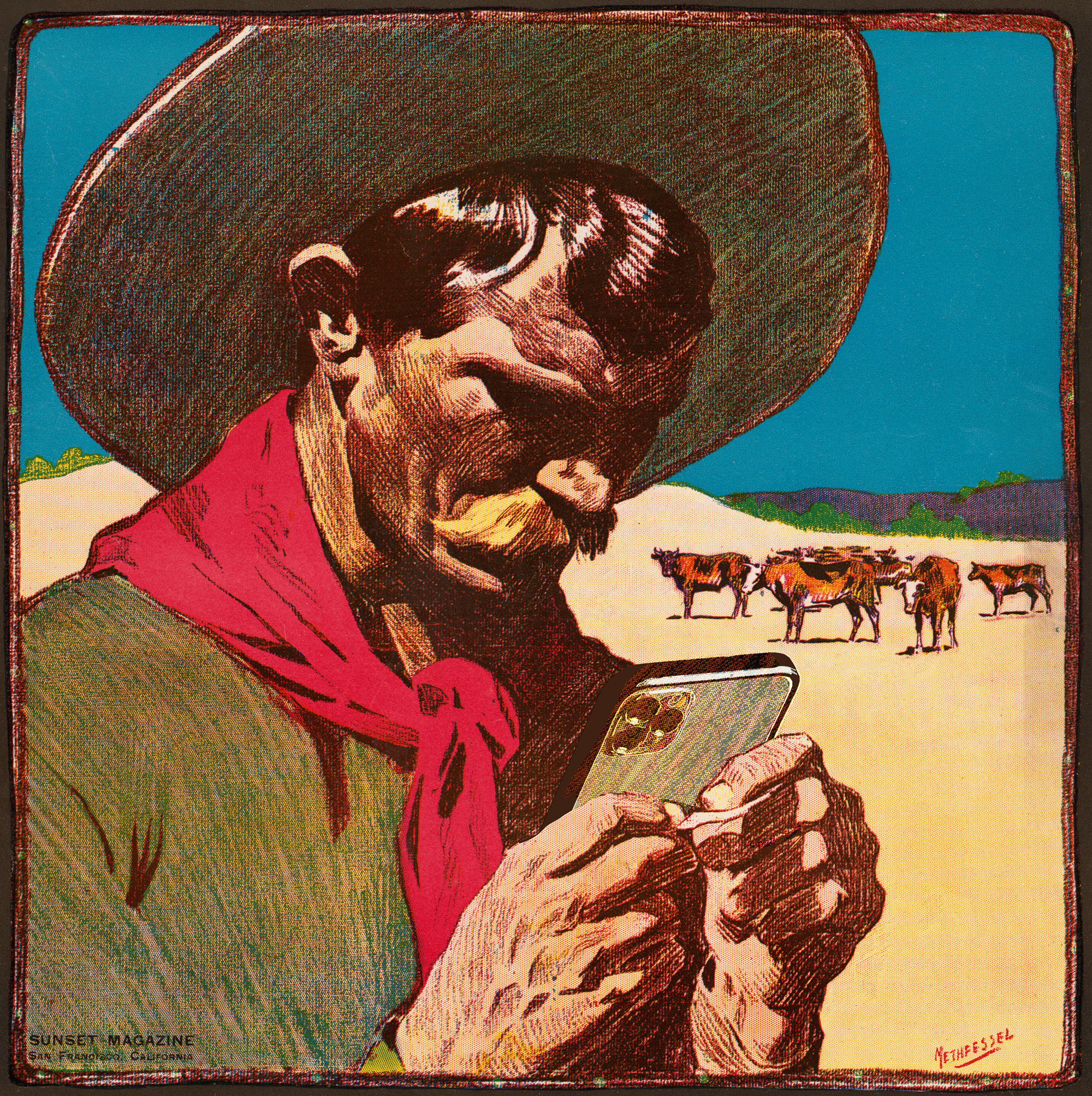

Today it’s normal to just text people from around the world and have zoom chats with people in 10 different locations or talk on the phone across continents. We recently spent 3 days completely off the grid in Baja California—no phone or internet—and it was somewhat terrifying.
Today at schools the teachers, students and parents all communicate by email or even text. People can find their way to a new location with GPS and can email thousands of donation requests around the country at the press of a button. It changes how we work and what we can expect.
Back in 1980, I left for the Peace Corps in Paraguay for a 2 year service. My then wife and I arrived in Asunción with no technology whatsoever, except a watch. We immediately began 12 weeks of training—language, culture and technical information. Our only way to keep our families informed was to write letters that took weeks to arrive, and weeks for a reply. The other alternative was a phone call.
To make a call, you went to the telephone central office in your village. You gave the number to a receptionist, and then sat in a waiting room while they attempted to place your call. Often there were a dozen or so people ahead of you. Once they made the connection they called your name and gave you the number of the booth to enter. The connection was usually very bad and a 15 minute call could cost $20. And of course the only way to let your family know a call was coming was to arrange it a week or two earlier in a letter.
Because we were Peace Corps volunteers and had virtually no money, we always called “collect’. That meant that when the connection was made the person answering was asked if they would pay for the call and if they agreed then the charges were transferred to their account.
On one occasion, I gave the woman the number and said “collect”. After the call she called us over and said “That will be $20.” I reminded her that I had asked for “collect”. She looked at me and said “No, you said collect. To have them pay it is colet! We just kind of stared at each other for a bit. I just told her I did not have any money. They did not let us call from there after that.
This lack of connectivity was both a bonus and a challenge. It does not exist anymore.
During the 12 week training period there were two “campo” weeks. On Sunday, you were given an envelope with some cash, and told “Go to town X and find Señor Y. He will put you up. Learn about his project and meet all his colleagues. Be back here next Saturday.”
Now for me, town X was Pedro Juan Caballero, on the other side of the country. That meant three 5 hour bus rides. It meant going to the huge bus station and buying the right tickets, making the right connections, getting to Pedro Juan, and asking for the right person. No phone, no google, no maps, no internet. You are completely alone in a foreign country and know no one. To add to the challenge, I had my broken Spanish but Paraguay is bilingual and outside of the capital many of the campesinos only spoke Guaraní. I had to converse using my broken Spanish talking to their broken Spanish!
I did make it to Pedro Juan and completed my tasks successfully. My ex-wife had her own much less complex campo week separately.
During that week, with another volunteer, we rode on top of logging trucks across the Brazilian border, attended a very wild Carnival in Ponta Porã, and visited several important Paraguayan historical and geological sites. All the while with no phone, no maps and no internet. Just a camera and a diary.
My permanent job assignment was near the capital and for the two years I lived in relative comfort (running cold water and electricity) while some of my fellow volunteers were more isolated. They often were alone in their village for weeks or months with no outside contact. Every few months they would return to the capital to check in.
That meant that the villagers were now your family, your friends and your life. You had to learn to speak their language, eat their food and adapt to their customs. It was total immersion.
While most volunteers were incredibly dedicated, there were a few exceptions. Peace Corps in Spanish is “Cuerpo de Paz”. Some of these folks decided to go on walkabout and visited other volunteers or went off to Brazil or Argentina for weeks at a time. We called that “Cuerpo de Paseo”. Wander Corps! But again, they were 100% alone somewhere in another country with no connection to anyone else. At any time, there were 250 or some volunteers scattered across the country completely isolated.
When I visited Paraguay in about 2010, I went to visit the Peace Corps office. The world had changed. Now every volunteer must have a working cell phone and must check in every day with the office. They have computers and the internet and can spent their free time texting friends or watching YouTube or scrolling the internet. They don’t have to interact with the locals.
What a change in 30 years. Nowadays it is almost impossible to be that isolated. You are one phone call or text or FaceTime from anyone in the world. It is not the same existence and there really is no way to return.

 Tales from the Tech Trail
Leave a comment